The Best Wine and Cheese Pairing and Why They Work
Wine and cheese pairings are a classic culinary match. The best wine and cheese pairing balances taste, texture, acidity, tannin, fat, and salt so both components elevate each other.
Below are the top pairings and concise explanations of why they work so well together, including options for white wine and red wine pairings.
Top Wine and Cheese Pairings
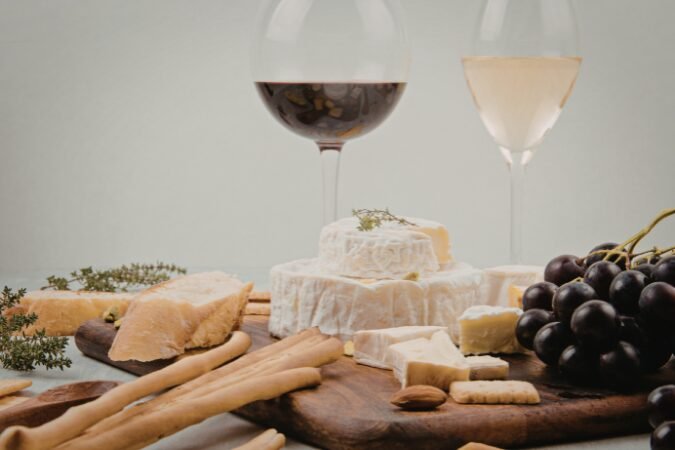
- Brie + Champagne or Sparkling Wine is a classic pairing that highlights the soft cheese’s creamy texture, making it a delightful choice for any cheese board. — The creamy, buttery texture of Brie is cut by sparkling wine’s high acidity and carbonation, which refreshes the palate and go well with soft cheese. The subtle toasty notes in Champagne echo Brie’s nutty, mushroomy flavors, making it a perfect match for a cheese board.
- Goat Cheese (Chèvre) + Sauvignon Blanc — Tangy, citrusy Sauvignon Blanc matches the bright acidity and grassy, lemony character of fresh goat cheese. The wine’s acidity balances the cheese’s creaminess and slight goatiness.
- Camembert + Chardonnay (oaked) — Oaked Chardonnay’s soft butter and vanilla notes complement Camembert’s rich, earthy creaminess. Moderate acidity keeps the pairing from feeling cloying.
- Comté or Gruyère + Chardonnay or Riesling — These nutty, savory Alpine cheeses pair with medium-bodied Chardonnay for richness or with off-dry Riesling for a counterpoint of sweetness and acidity that highlights caramel and nutty notes, ideal for a diverse cheese board.
- Manchego + Tempranillo or Rioja is a pairing that showcases the cheese’s savory qualities alongside the wine’s fruity notes. — Firm, salty Manchego matches Tempranillo’s red-fruit and savory tobacco notes. The wine’s moderate tannins stand up to the cheese’s texture and salt.
- Parmigiano-Reggiano + Chianti or Prosecco — Hard, crystalline Parmigiano has umami and nutty intensity that pairs well with Chianti’s high acidity and moderate tannins or with Prosecco’s bright bubbles to lift the savory flavors, making it a great addition to a cheese board.
- Blue Cheese (Stilton, Roquefort) + Port or Sauternes complements the cheese’s pungent flavors with the wine’s sweetness. — Intense, salty blue cheeses need sweetness to balance their sharpness. Sweet fortified or dessert wines like Tawny Port or Sauternes create a harmonious sweet-salty contrast and amplify blue cheese’s complex flavors, making them ideal for a cheese board.
- Cheddar (Aged) + Cabernet Sauvignon or Zinfandel is a classic pairing that showcases the bold flavors of both the cheese and the wine, but can also go well with a fruity Pinot Noir. — Sharp, aged Cheddar pairs with bold red wines like Cabernet Sauvignon or Zinfandel, whose tannins and dark fruit flavors can match the cheese’s intensity. Tannins cut through fat while fruit softens the cheese’s bite, enhancing the overall experience of pairing cheese like Gouda with white wine.
- Fresh Mozzarella + Pinot Grigio or Light Rosé, making for a refreshing combination on a cheese board. — Mild, milky mozzarella benefits from delicate, crisp wines; light-bodied white or rosé preserves the cheese’s freshness without overpowering it, creating a perfect balance on a cheese board.
- Pecorino Romano + Sangiovese go well together, enhancing the wine’s fruity notes. — Salty, assertive Pecorino finds balance with Sangiovese’s bright acidity and cherry-driven fruit, which refreshes the palate and complements the cheese’s savory qualities.
Why These Pairings Work: Key Principles
- Acidity vs. Fat: Acidic wines (Sauvignon Blanc, Chianti) cut through fatty or creamy cheeses, cleansing the palate and preventing heaviness.
- Tannin vs. Texture: Tannic red wines pair best with dense, aged cheeses. Tannins bind with proteins and fat, softening perceived bitterness and balancing richness, particularly in wines like pinot noir.
- Salt and Sweetness: Salty cheeses are enhanced by sweet wines; sweetness tames salt and highlights savory/umami notes, making it a great addition to a cheese board.
- Complementary Flavors: Match similar flavor profiles—nutty wines with nutty cheeses, earthy wines with mushroomy cheeses—to amplify shared notes.
- Contrast for Balance: Sometimes opposites work: a high-acid wine against a rich cheese provides contrast that makes each bite more interesting, especially when pairing white wine with pungent cheeses.
- Intensity Matching: Consider how white wine and red wine can complement different types of cheese like gouda or blue cheese for an optimal tasting experience. Pair wines and cheeses of similar intensity so one doesn’t overpower the other, especially when considering strong cheeses like aged cheddar or pungent blue cheese. Light wines with delicate cheeses, robust wines with aged, flavorful cheeses.
Practical Tips for Serving
- Serve cheeses at room temperature for fuller flavor—take them out 30–60 minutes before serving.
- Start with lighter wines and cheeses, progress to stronger, bolder options.
- Offer palate cleansers like plain crackers, bread, and neutral fruits (apple slices, grapes) between tastings to refresh the palate and enhance the tasting experience of the cheese board.
- Label cheeses and wines so guests can track combinations and preferences.
- Experiment: personal preference matters—use these guidelines but trust your palate.