Complete guide to pairing wine with smoked brisket
As seen on Bell TV with Jarvis Bros, “Pair it up” Brisket Episode and Wine Pairings.
Below is a full smoked brisket recipe so you can enjoy Brisket the way it’s supposed to be.
The Question Nobody Asks at the Smoker But Should
You’ve spent 14 hours nursing a brisket. You’ve monitored the stall, wrapped it in butcher paper at the right moment, and resisted every urge to open the lid (barely). The bark is mahogany perfection. And then someone shows up with a cold six-pack of light lager, and you smile politely while something inside you quietly weeps.
Beer has its place absolutely. But smoked brisket deserves more respect than that. This is a dish with layers: deep smoke, rendered beef fat, a salty-peppery bark, and that silky tenderness that only 12-plus hours of low-and-slow cooking can produce. It demands a wine with equal complexity, structure, and nerve.
The good news? The wine world has exactly what you need. The even better news? You don’t have to be a sommelier to get it right. You have to know where to look.
Why Wine Works So Well With Smoked Brisket
Before we pour a single glass, it helps to understand the flavour science at play. Brisket is all about fat, smoke, and deep umami. The fat coats your palate. The smoke adds a pleasantly bitter, almost earthy edge. The bark delivers salt and spice. And the beef itself is intensely savoury.
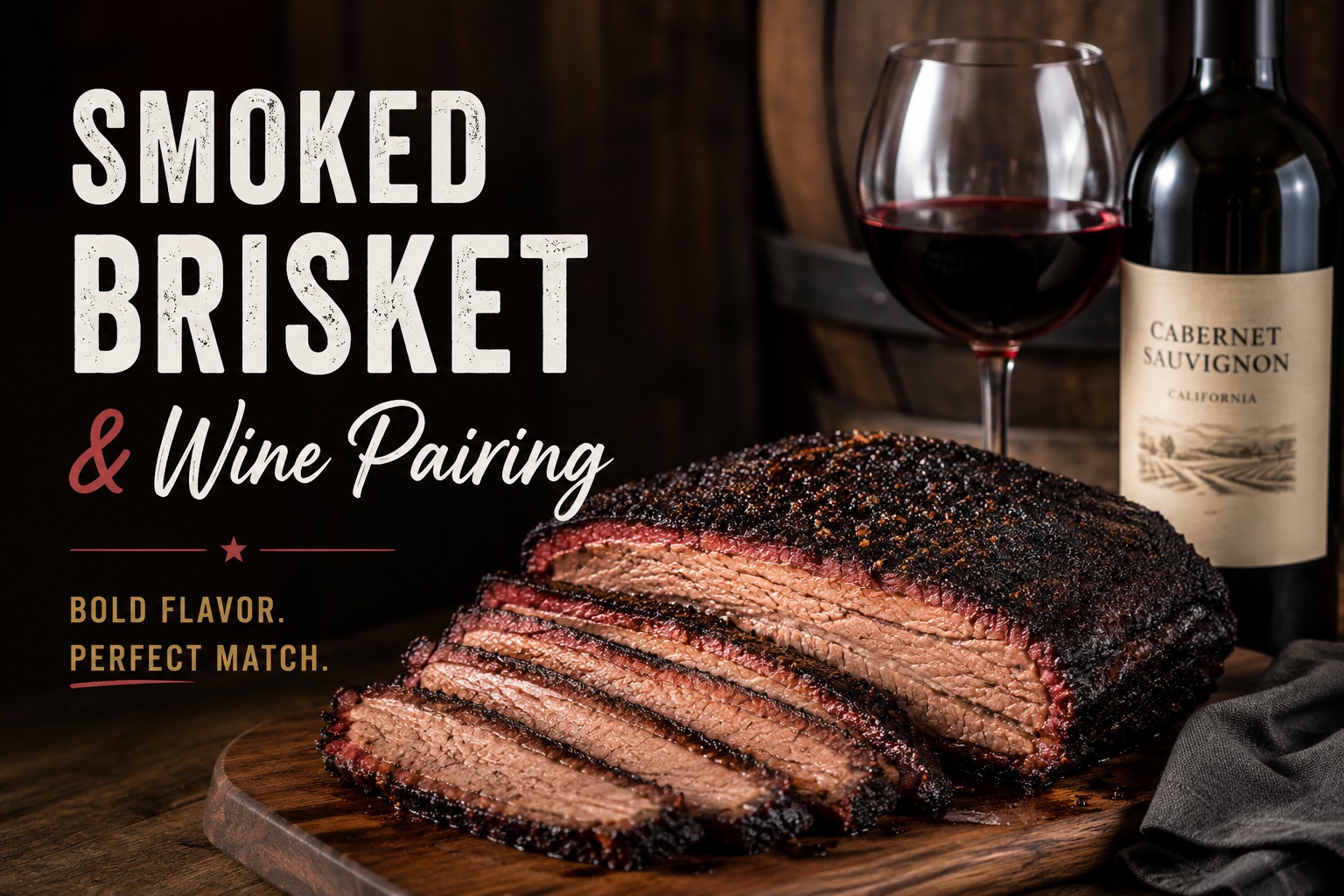
Wine, particularly red wine, has tannins and acidity that cut through fat like a hot knife. A high-acid wine refreshes the palate between bites, while firm tannins bind with the proteins in the meat to create a genuinely harmonious effect. Meanwhile, wines aged in oak barrels carry their own smoky, vanilla, and charred wood notes that mirror what’s happening in the smoker, a culinary handshake between glass and plate.
In short, the right wine doesn’t compete with smoked brisket. It completes it.
The Best Wines for Smoked Brisket
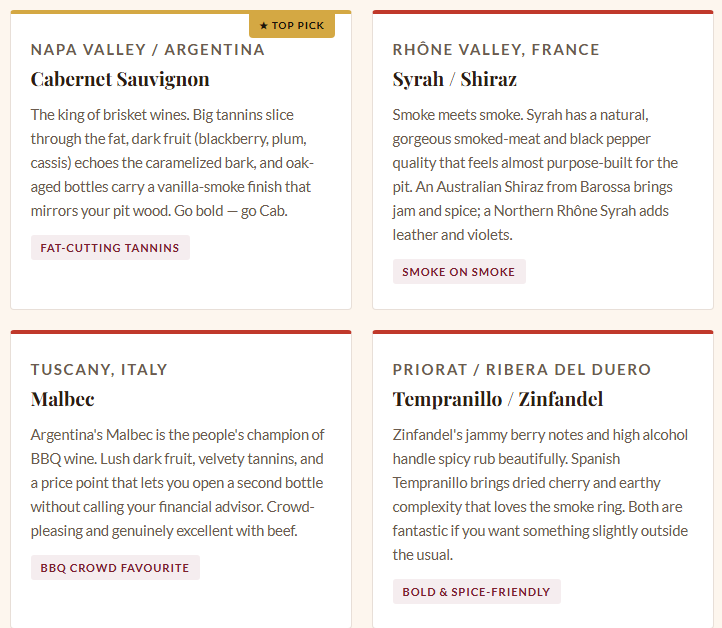
Here are the top picks, ranked by how well they handle the smoke, fat, and bold flavours of a properly done brisket. We’ve tasted these at many a Jarvis Bros Cookout, sometimes with our shirts clean, sometimes not.
As Seen on Bell TV: The Brisket Episode
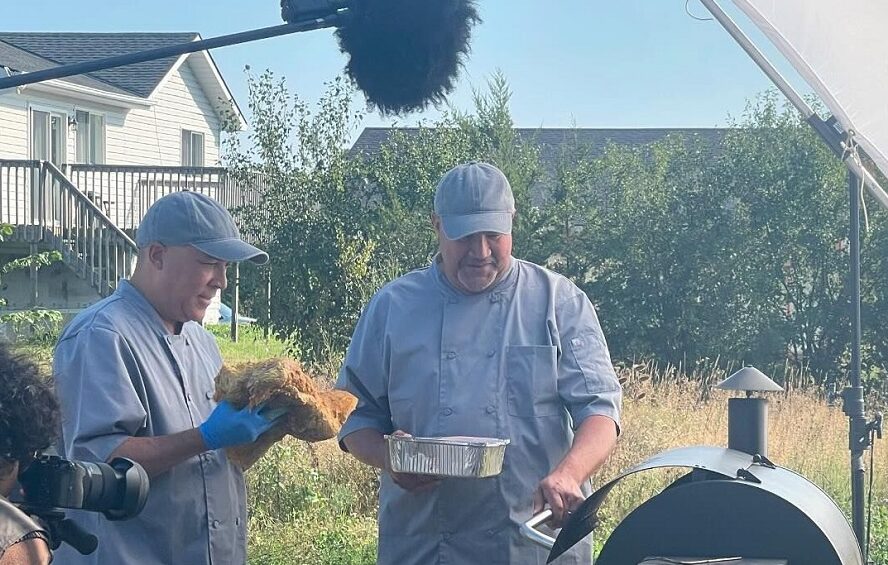
If you’ve been following the Jarvis Bros Cookout, you already know we take brisket seriously. Dangerously seriously. So when Bell TV reached out to film an episode centred around the art of smoking brisket, we didn’t hesitate; we just double-checked that we had enough apple pellets and good wine on hand.
The episode captured everything: the prep the night before, the 5 a.m. fire-up, the science, the butcher-paper wrap, the resting period, and the slice. And yes, the wine pairing segment, where we proved on national television that Cabernet Sauvignon and smoked brisket is one of the great pairings of our time. (The camera crew agreed. They stayed for dinner.)
It was one of those days that reminded us why we started the Jarvis Bros Cookout in the first place: great food, genuine curiosity, and the kind of meal that makes people go quiet for a few minutes because nothing needs to be said.
The Jarvis Bros Smoked Brisket Recipe
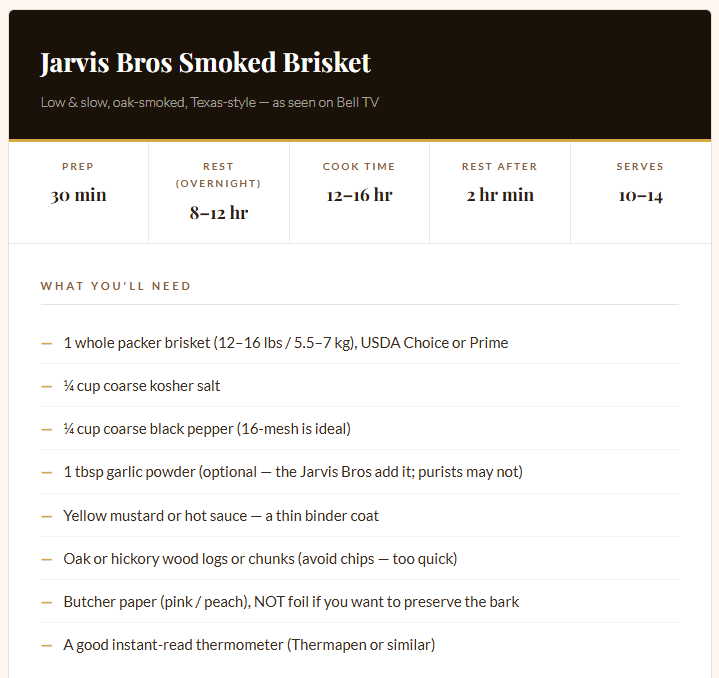
This is the recipe we made on Bell TV with no shortcuts, no gimmicks, just a method that works whenever you respect the process. You’ll need patience. Lots of it. The brisket will be ready when it’s ready, and that’s the whole point.
The Method
- 1 Trim the fat cap. Leave about ¼ inch (6 mm) of fat on the flat enough to baste the meat during the cook, not so much that it creates a thick waxy barrier. Remove any hard, waxy fat deposits entirely and trim the point’s silverskin. A sharp boning knife makes this satisfying rather than frustrating.
- 2 Apply the binder and season. Rub the entire brisket with a very thin layer of yellow mustard or hot sauce. You won’t taste it, but it helps the rub adhere. Combine the salt, pepper, and garlic powder, then apply liberally and evenly on all sides. Be generous. This is your bark.
- 3 Rest uncovered overnight. Place the seasoned brisket on a wire rack over a sheet pan and refrigerate uncovered for 8–12 hours. This allows the salt to draw moisture to the surface, then reabsorb it, seasoning the meat more deeply. It also dries the surface for a better bark. Don’t skip this step.
- 4 Fire up the smoker to 225–250°F (107–121°C). Use oak for a classic Texas flavour, or a mix of oak and hickory for more intensity. Allow the smoker to stabilize and reach clean, thin blue smoke, not billowing white smoke, which can over-smoke and bitter the meat. This is the patience step before the patience steps.
- 5 Place brisket fat-side up. Position the brisket on the smoker grate with the fat cap facing up so the rendering fat bastes the meat below. Fat-side down works if your heat source is below, and risks burning the cap. Know your smoker. Close the lid and resist opening it for at least 3 hours.
- 6 Monitor and manage “the stall.” At around 150–165°F (65–74°C) internal temperature, the brisket will stop rising in temperature for what feels like an eternity (1–4 hours). This is evaporative cooling the moisture evaporating from the meat’s surface is keeping it cool. Do not panic. Do not crank the heat. Stay the course. This is where the magic happens inside the meat.
- 7 Wrap in butcher paper. When the brisket hits 165°F and has a good dark mahogany bark, remove it and wrap it tightly in two layers of pink butcher paper. This helps push through the stall faster while preserving the bark (foil gives softer bark, both are valid choices). Return to the smoker.
- 8 Cook to probe-tender. Continue cooking until the thickest part of the flat reaches 200–205°F (93–96°C). But this is crucial: temperature is a guide, not the answer. The brisket is done when a probe (or skewer) slides in with no resistance, like it’s going through room-temperature butter. This usually happens between 200–210°F.
- 9 Rest. Rest. And then rest some more. Remove the brisket, keep it wrapped, and rest it in a cooler (no ice, just use the insulation) for a minimum of 2 hours. 3–4 hours is better. This resting period allows the collagen and juices to redistribute throughout the meat. This step is not optional if you want a juicy brisket.
- 10 Separate, slice, and serve. Unwrap and separate the flat from the point along the fat seam. Slice the flat against the grain in ¼-inch pencil-thick slices. Cut the point into cubes for burnt ends if desired, toss them back on the smoker with a little sauce for 30–45 minutes for pure BBQ gold. Serve immediately with your chosen Cabernet Sauvignon. Take a bow.
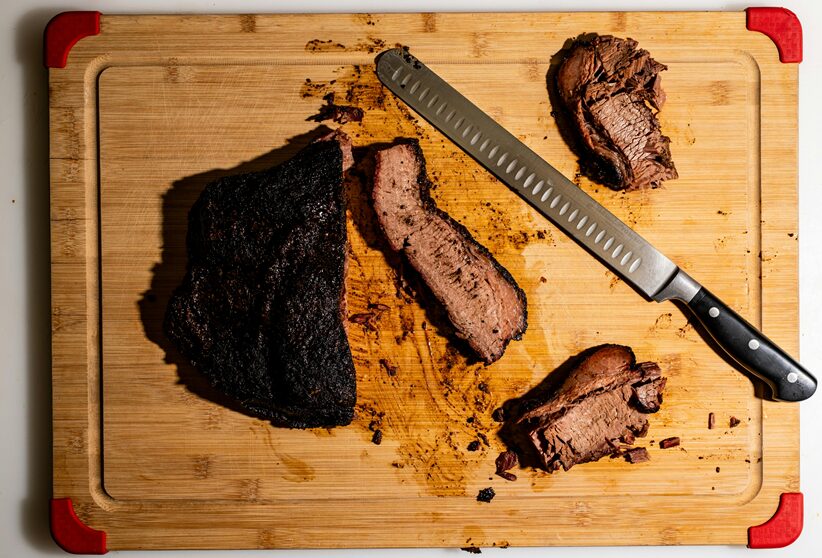
Jarvis Bros Pro Tip: The biggest mistake backyard pitmasters make is cutting too soon. A well-rested brisket will be juicier every single time than one sliced immediately off the smoker. If people are gathered around and hungry, pour them some wine it buys you the time the brisket deserves, and everyone wins.
Rickbob Jarvis
The Jarvis Bros Cookout was built on the belief that great BBQ and great wine aren’t opposites; they’re natural allies. A smoked brisket is one of the most rewarding things you can cook, and it deserves a glass that does it justice.
Start with a Cabernet Sauvignon. Work your way through the list above. Take notes. And for the love of everything holy, let it rest before you slice.
Learn More Right Here…