Finding the Perfect Wine for Lamb
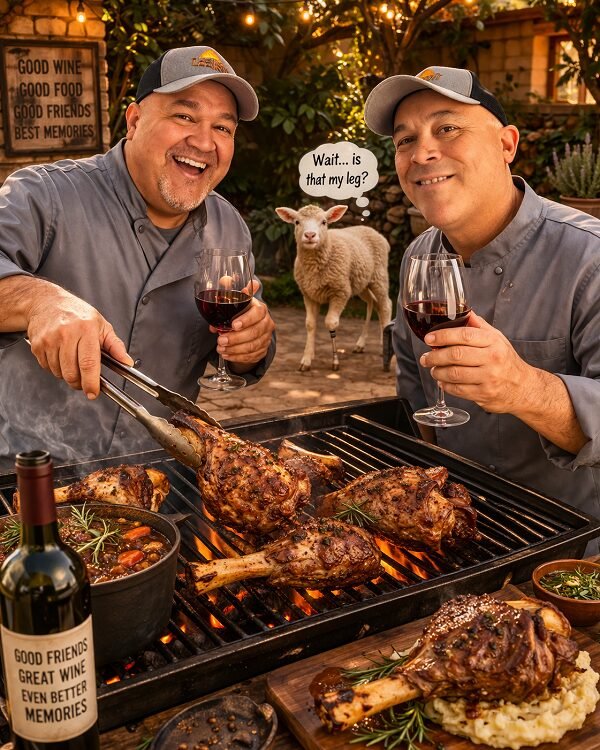
Few combinations in the culinary world carry the weight, history, and sheer pleasure of lamb curries paired with the best wine. Lamb paired with wine.
This is not a casual flirtation; it is a full-blown, centuries-old love affair, one that has graced the tables of French châteaux, Tuscan farmhouses, and Spanish bodegas alike.
Lamb is a meat of remarkable complexity: rich with fat, layered with a distinctive savory depth that polite company calls “gaminess” and the rest of us simply call delicious.
Wine, at its best, is the ideal companion capable of cutting through fat, taming wild flavors, and turning a good meal into an unforgettable one.
The only crime here is choosing the wrong bottle. We are here to ensure that never happens.
Why Pairing Matters: The Science and the Pleasure
Food and wine pairing is both an art and a science. At its core, pairing is about balancing flavors, textures, and intensity.
Lamb is a rich, flavorful meat with varying degrees of fat, gaminess, and seasoning, making it essential to choose the right lamb wine pairing. The right wine can accentuate the meat’s natural flavors, tame any overpowering elements, and create a harmonious dining experience. The wrong wine? Well, it can make even the best lamb taste like an uninvited guest at a party.
Key Characteristics of Lamb
Before we pick a wine, we must understand the characteristics of lamb. Typical traits include the best wine to pair with lamb, enhancing the overall dining experience.
- Fat content: Lamb is often richer and fattier than other red meats, which calls for wines with structure and acidity to cut through the fat.
- Gamey flavor: Especially in pasture-raised lamb, there is a subtle herbal or gamey note that pairs well with wines that have earthy or herbal qualities.
- Versatility of preparation: Lamb can be roasted, grilled, braised, or stewed, and each cooking method affects the ideal wine pairing.
Why Wine and Lamb Are a Natural Pairing
The relationship between wine and lamb is rooted in flavor chemistry and culinary tradition in equal measure. Lamb contains a higher proportion of intramuscular fat than beef or pork, and that fat carries aromatic compounds, particularly branched-chain fatty acids, that give the meat its characteristic richness and assertive flavor, making it essential to choose the right wine to pair with lamb.
Wine’s acidity acts as a palate cleanser, slicing through that fat and resetting the senses for the next bite, especially when paired with the best wine to pair with lamb. Tannins in red wine bind with lamb’s proteins, softening both the meat’s texture on the palate and the wine’s astringency, simultaneously forming a genuinely symbiotic relationship.
Cooking method matters enormously. A slow-braised lamb shoulder swimming in its own juices calls for a very different bottle than a quickly seared rack served pink and proud. Roasting concentrates flavors and produces caramelized, Maillard-reaction crust notes that invite structured, age-worthy reds.
Grilling over fire adds smokiness and char that resonates with wines carrying their own smoky or spiced character. Braising produces fall-apart tenderness and deeply savory braising liquid that demands wines with body, earthiness, and a willingness to get comfortable.
The Golden Rule: Regional Pairing for Lamb
As with pizza, pasta, and most great food traditions, the most reliable compass for pairing wine with lamb is the geography of the region influences the flavors in wines that pair with red meat dishes.. Lamb has been herded across the hillsides of southern France, central Italy, the plains of Castilla, and the mountains of the New World for millennia, and the wines grown in those same soils have evolved alongside the cuisine. This is not a coincidence; it is terroir in its most practical expression.
French wines, especially those from Bordeaux, are renowned for their ability to pair well with rich dishes like lamb., Particularly those from Bordeaux, the Rhône Valley, and the Languedoc, are among the most natural partners lamb has ever encountered. The Bordelais have been pairing agneau de Pauillac with Cabernet Sauvignon-dominant blends since before most countries had a wine industry, showcasing a variety of wines.
Italian wines, especially those built on Sangiovese, Nebbiolo, and the bold southern reds, bring earthy depth and acidity that lock into lamb’s savory character. Spanish wines, particularly those with a fruity red profile, can also complement lamb dishes wonderfully. from Rioja, Ribera del Duero, and Priorat offer structured tannins and dark fruit that handle everything from a simple chop to a slow-roasted whole leg.
And the New World, Argentina, Australia, California, and New Zealand, offers its own compelling chapter, particularly given that countries like New Zealand and Australia rank among the world’s largest lamb producers. They know what they are doing on both sides of the plate.
Roast Leg of Lamb: The Classic Showstopper
A roast leg of lamb is the Sunday lunch of legends, the Easter centrepiece, the dish that makes the whole house smell extraordinary for four hours. It deserves a wine of equivalent stature.
- Bordeaux (Cabernet Sauvignon/Merlot blend): The pairing that wrote the rulebook. A Pauillac or Saint-Julien, with its structured cassis fruit, graphite minerality, cedar oak, and firm tannin architecture, is the quintessential partner for roast lamb. Age the bottle if you can; ten years on a good Bordeaux red and a roast leg of lamb is a combination that borders on transcendent.
- Rioja Reserva or Gran Reserva (Tempranillo): Spain’s answer to Bordeaux is equally magnificent here. Rioja’s signature combination of dried cherry, leather, vanilla, and tobacco. The result of extended aging in American oak wraps around roasted lamb with effortless elegance, making it a perfect pairing for merlot.
- Napa Valley Cabernet Sauvignon: For those who prefer a bolder, riper expression, a structured Napa Cab brings blackcurrant, dark chocolate, and a full-bodied weight that stands confidently alongside a generously seasoned roast.
- Côte de Nuits Pinot Noir (for a lighter roast): A more delicate roast leg, served medium-rare and accompanied by a simple herb crust, can be beautifully served with a village-level Burgundy, Gevrey-Chambertin or Morey-Saint-Denis, whose red fruit, forest floor, and silky tannins complement rather than dominate.
Lamb Chops and Rack of Lamb: Elegance on the Bone
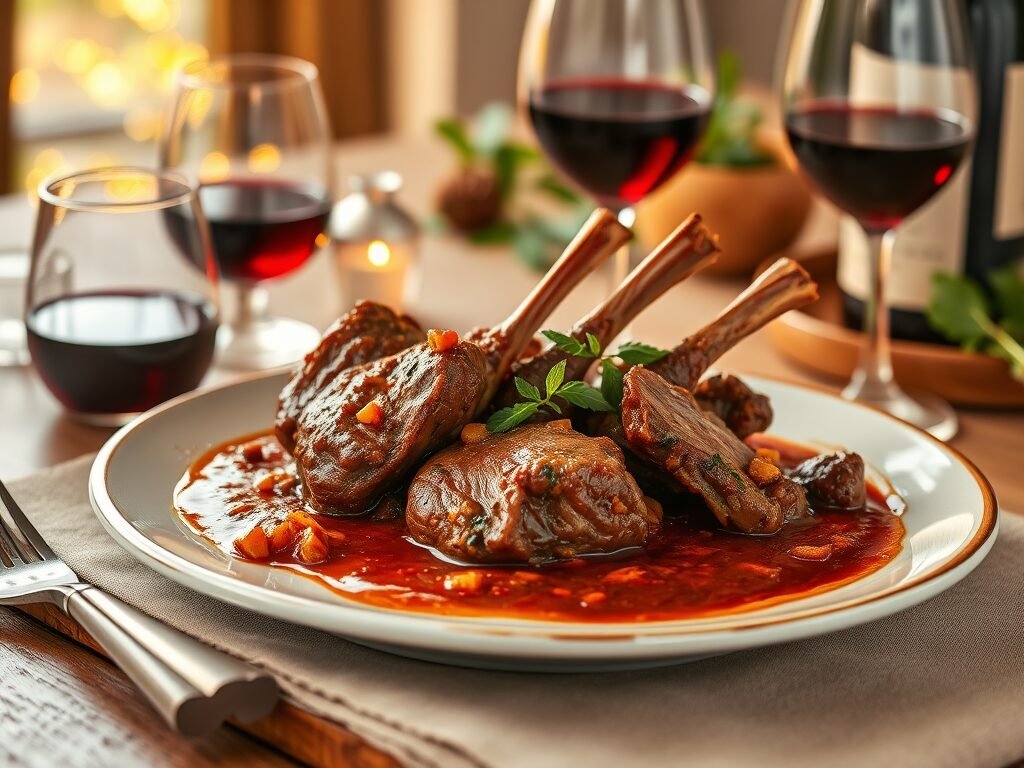
Rack of lamb is the dish people order when they want to feel sophisticated. It is rich, tender, and visually dramatic and it deserves a wine that matches that energy without stealing the show.
- Syrah/Shiraz: This is perhaps the most instinctive match in the entire lamb-wine universe. Northern Rhône Syrah is a full-bodied red wine that pairs beautifully with lamb. Crozes-Hermitage, Saint-Joseph, or a splurge-worthy Hermitage brings smoked meat, black olive, white pepper, and violet aromatics that seem almost purpose-built for the flavor profile of a well-seared lamb chop. Australian Shiraz from McLaren Vale or the Barossa Valley offers a riper, more opulent version of the same magic.
- Côtes du Rhône (Grenache/Syrah/Mourvèdre blend) is an excellent choice for a barbecue with lamb. For a more accessible price point with no sacrifice in pleasure, a quality Côtes du Rhône delivers garrigue, red berries, earthy spice, and southern French warmth that pairs instinctively with herb-crusted rack of lamb.
- Barolo or Barbaresco (Nebbiolo): Italy’s most aristocratic red wines, tar, roses, dried cherry, leather, and a spine of firm, drying tannin, are revelatory alongside lamb chops finished with rosemary and garlic. The tannin structure of Nebbiolo is precisely calibrated to handle the richness of the meat, while the wine’s acidity keeps everything in elegant balance, especially in a lamb shank preparation. Patience required: young Barolo and impatience do not mix, much like the aging process of a good Chianti.
Lamb Stew and Braised Lamb: Deep, Dark, and Delicious
Braised lamb, whether an Irish stew, a Moroccan tagine base, or a French navarin d’agneau, produces the best wine choices that complement lamb dishes. profound depth of flavor through long, slow cooking, which enhances the flavors of the red meat. The collagen breaks down into gelatin, the braising liquid reduces in intensity, and the resulting dish is meaty, unctuous, and deeply savory. The wine must rise to that occasion.
- Malbec (Mendoza): Argentina’s signature grape was practically destined for braised lamb. Mendoza Malbec offers plush dark plum, mocha, violet, and a velvety texture that mirrors the silky richness of slow-braised meat. It is crowd-pleasing, widely available, and reliably excellent, the golden retriever of red wines, but in the best possible way.
- Monastrell (Jumilla or Yecla): Spain’s Monastrell, known as Mourvèdre in France, brings wild blackberry, dried herbs, leather, and a rustic earthiness that connects deeply with the savory, concentrated flavors of a long-braised lamb shoulder.
- Côtes du Roussillon Villages: From the rugged foothills of the French Pyrenees, these blends of Grenache, Syrah, and Carignan deliver spiced dark fruit, garrigue, and a sun-warmed intensity that is a natural companion to hearty lamb stew.
- Cahors (Malbec/Auxerrois) is considered one of the best wines to pair with lamb. The original French Malbec, from the Lot Valley, is darker, more tannic, and more brooding than its Argentine descendant and spectacular alongside a slow-cooked lamb dish with root vegetables and red wine in the pot.
Grilled and Spiced Lamb: Kebabs, Kofta, and Open-Fire Glory
When lamb meets fire, spice, and char, the pairing landscape shifts dramatically. Cumin, coriander, paprika, sumac, and harissa introduce new aromatic dimensions that call for fruity red wines with their own spiced, fruit-forward character.
- Grenache (Châteauneuf-du-Pape or Priorat): The red berry warmth, dried herb, and white pepper of a great Grenache-dominant wine are a natural partner for spiced grilled lamb. Châteauneuf-du-Pape brings garrigue and sunshine; Priorat brings mineral power and dark intensity, complementing the gamey flavors of lamb.
- Nero d’Avola: Sicily’s great indigenous red, with its dark cherry, chocolate, and tobacco notes and a distinctly Mediterranean character, is a brilliant match for lamb kofta, particularly when served with tzatziki and flatbread.
- Primitivo di Manduria is a fruity option that pairs well with grilled lamb. Bold, spicy, and generously fruited, Primitivo carries a wild, sun-baked intensity that stands confidently beside the most aggressively spiced kebab without flinching, making it an ideal choice for lamb wine pairing.
- Xinomavro (Naoussa, Greece): For a more adventurous choice, Greece’s Xinomavro, tomato, olive, dried red fruit, and firm acidity, is a deeply traditional match for grilled lamb in the Eastern Mediterranean tradition. Highly recommended for those willing to venture beyond the obvious.
Lamb Burgers and Ground Lamb Dishes
Ground lamb, in burgers, meatballs, or Middle Eastern kibbeh, is more approachable than a whole roast but still carries lamb’s characteristic richness, making it a great option for a full-bodied red wine like Chianti to pair with lamb.
The wine should be fruit-forward, medium-bodied, and easy-drinking without being dismissively simple.
- Côtes du Rhône Rouge: Reliable, versatile, and genuinely delicious, a well-made Côtes du Rhône handles a lamb burger with herbs and feta with relaxed confidence.
- Carménère (Chile) complements the richness of young lamb. Undervalued and underused, Carménère brings green pepper, dark plum, and a soft, approachable structure that works beautifully with spiced ground lamb dishes.
- Barbera d’Alba: The low tannins and vivid acidity of Barbera make it an excellent casual red for lamb meatballs in tomato sauce. It bridges the meat and the acidity of the sauce simultaneously.
- Côtes de Provence Rosé (for lamb sliders): A serious, structured Provençal rosé, not the pale Instagram variety with no flavor, but a proper gastronomic one, is genuinely excellent alongside lamb sliders dressed with aioli and herbs.
White and Rosé Wines for Lighter Lamb Preparations
Not every lamb dish demands a powerful red, but choosing the right wine to pair with lamb can elevate the dining experience. Lighter preparations, such as a cold lamb salad with mint and lemon, thinly sliced leftover roast in a sandwich, or a delicate lamb tartare, open the door to white wines and rosés of real quality.
- Bandol Rosé: The most serious rosé in the world comes from Bandol in Provence, and it is made largely from Mourvèdre, the same grape that loves lamb in red form. Bandol Rosé carries structure, red berry depth, and savory minerality that can handle surprisingly substantial lamb dishes, making it a great choice for a peppery red blend.
- White Burgundy (Chardonnay): A well-made Meursault or Puligny-Montrachet, with its rich texture, hazelnut, and citrus profile, is an unexpected but compelling partner for cold lamb with a lemony herb dressing.
- Viognier (Condrieu or Languedoc): The floral, peachy opulence of Viognier works with lamb dishes that incorporate apricot, dried fruit, or sweet spices, particularly in North African-inspired preparations.
How Herbs and Sauces Shape the Pairing
The accompaniments on the plate are as important as the lamb itself when selecting a wine. Herbs and sauces can redirect the entire pairing equation.
- Rosemary and garlic: The classic combination calls for wines with their own herbal, savory qualities. Syrah, Grenache, and Sangiovese all resonate here.
- Mint sauce (British style): The sharp, sweet acidity of mint sauce actually makes a case for slightly fruit-forward reds, New Zealand Pinot Noir, or a lighter Grenache, rather than the heaviest tannic options, which may not go with lamb as well, especially when considering fruity red wines.
- Harissa: The chili heat and North African spice of harissa demand low-tannin, fruit-rich reds like Grenache or Nero d’Avola. High-tannin wines amplify the heat in a way that is rarely pleasant.
- Red wine jus: When the sauce is itself wine-based, mirror the grape variety in the glass. A Syrah reduction on the plate could be an excellent choice for a lamb wine pairing. Pour Syrah in the glass to enjoy with a delicious lamb recipe. Coherence is elegance.
- Chimichurri: The herbaceous, vinegary brightness of chimichurri on grilled lamb calls for wines like fruity zinfandel with freshness and acidity. Malbec, Carménère, or a Crianza-level Rioja all hold their ground admirably.
Serving Temperature and Decanting: Getting It Right
Even a perfect wine pairing can unravel if the bottle is served incorrectly. These details matter more than most people realize.
Serving temperatures:
- Light to medium reds (Pinot Noir, Barbera, lighter Grenache) can be delightful with a young lamb dish. 60–62°F (15–17°C)
- Medium to full-bodied reds (Rioja Reserva, Syrah, Malbec) are among the best wines to pair with lamb dishes. 63–66°F (17–19°C)
- Full-bodied, tannic reds (Barolo, Bordeaux, Châteauneuf-du-Pape): 65–68°F (18–20°C)
- Rosé and white wines: 45–52°F (7–11°C)
Decanting: Young, tannic reds, particularly Barolo, Bordeaux, and Syrah under ten years old, benefit enormously from decanting. One to two hours in a wide-bottomed decanter allows the wine to breathe, soften its tannins, and open up its aromatics.
Older vintages should be decanted more carefully and for shorter periods to avoid losing their fragile complexity. If you are serving a twenty-year-old Bordeaux with your Easter roast, stand the bottle upright for twenty-four hours beforehand and pour gently. You have earned the ceremony.
Building a Lamb Dinner Wine Menu for Entertaining
When hosting a lamb-centred dinner party, a structured wine progression through the meal transforms the evening from a dinner into an experience.
A suggested menu:
- Aperitif — Champagne or quality Crémant: Begin with bubbles. Always begin with bubbles. The effervescence cleanses the palate, lifts the mood, and sets an expectation of quality that you will meet with every subsequent pour.
- First course (lamb liver pâté or lamb carpaccio) — Bandol Rosé or light Pinot Noir: A structured rosé or delicate red bridges the starter and the main without overwhelming the palate prematurely.
- Main course (roast leg or rack) — Bordeaux, Rioja Gran Reserva, or Northern Rhône Syrah: This is the centerpiece pairing. Choose one wine of genuine quality and let it carry the meal. Offer a second option for non-red drinkers: a rich white Burgundy or Bandol Rosé.
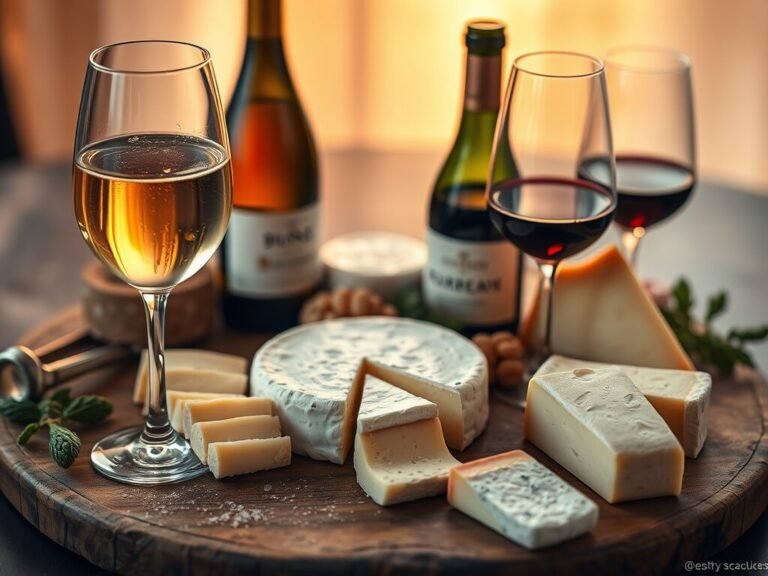
- Cheese course — Aged Rioja or a second pour of the main wine: Manchego with Rioja is one of Spain’s most reliable pleasures. Hard sheep’s milk cheeses with lamb-friendly reds are a logical and delicious conclusion.
- Dessert — Banyuls or Maury (for chocolate desserts): A fortified Grenache-based wine from Roussillon provides a sweet, spiced, and elegant conclusion to a lamb-centred meal.
A Final Toast to the Lamb
The lamb deserves our respect and our finest bottles. It is a meat that rewards thoughtful wine selection, especially when considering lamb wine pairings. thoughtful preparation, quality ingredients, and deliberate wine selection of fruity red wines enhance the dining experience. in equal measure.
Whether we are carving a Sunday roast before a fire, assembling lamb kofta on a summer grill, or ladling a slow-braised shoulder from a pot that has been quietly doing its work for five hours, the right wine is not an afterthought. It is the finishing touch that completes the picture of a perfect lamb shank dish.
We raise our glass, preferably one containing something Grenache-based, Syrah-inflected, or Bordeaux-blended, to the most noble of pairings. The lamb recipe waited. The wine aged. The table is set with a selection of full-bodied red wines to enjoy with the meal, including a Bordeaux red and a peppery Chianti. There is nothing left to do but pour.